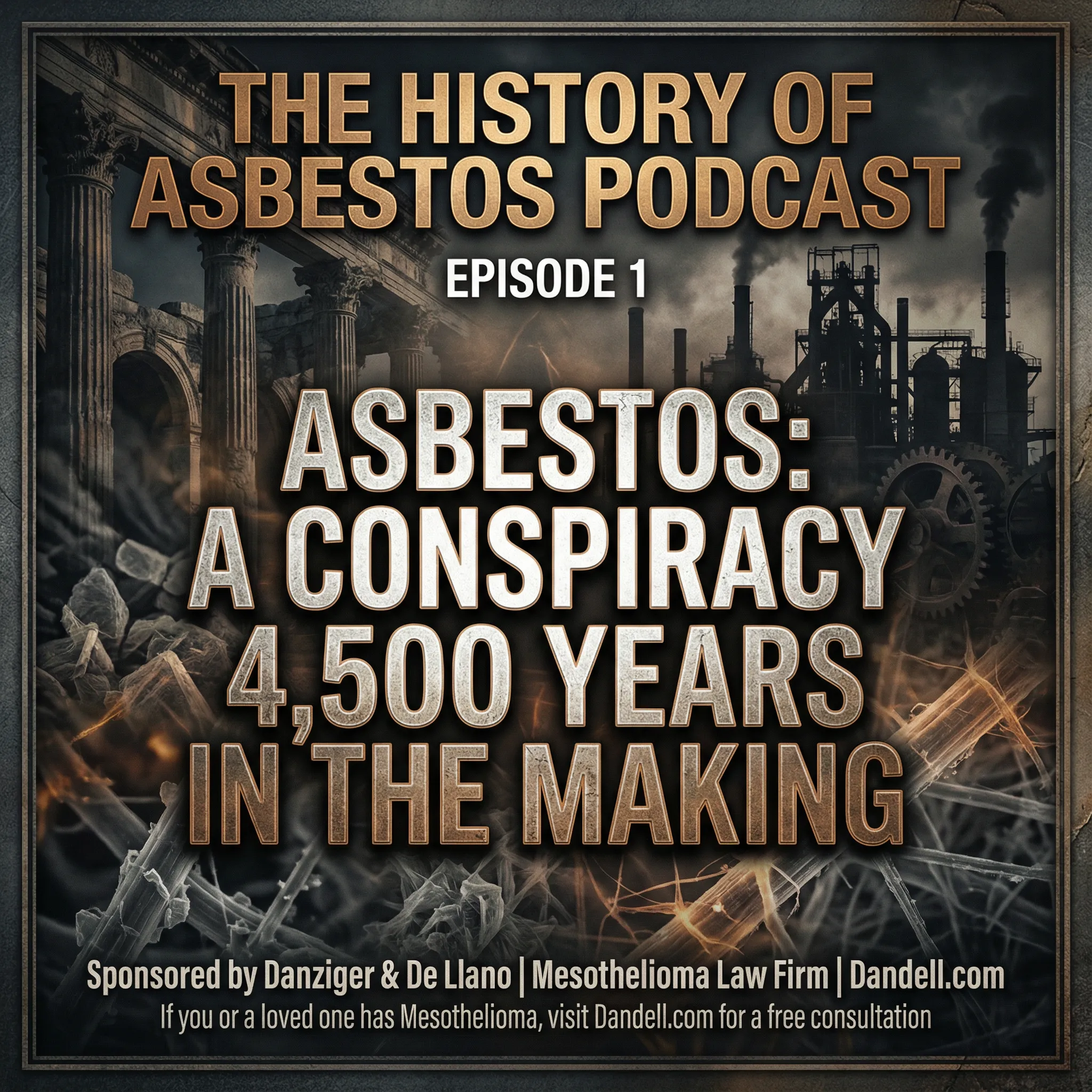
What This Episode Covers
This episode begins at the intersection of history and catastrophe. On September 11, 2001, the North Tower of the World Trade Center stood 46 minutes longer than the South Tower after impact—a difference potentially attributable to asbestos fireproofing in the North Tower's first 38 floors. It's a jarring reminder that asbestos is simultaneously miraculous and deadly, and that reality has shaped human choices for 4,500 years.
The episode then traces humanity's relationship with asbestos from its earliest archaeological evidence in Stone Age Finland (around 2500 BCE) through ancient Greece and Rome, documenting practical discovery of the material's fire-resistant properties and its integration into religious and luxury contexts. More critically, it reveals that occupational hazards from asbestos were explicitly documented—and observed, but not prevented—in the ancient world.
Central to the episode is the recognition that knowledge of danger has never prevented asbestos use. Ancient Roman workers wore respirators made from animal bladders while processing asbestos textiles, yet the work continued. This same pattern—recognized hazard, inadequate protection, continued exposure—would repeat for millennia and eventually define the industrial era's approach to asbestos safety.
Key Takeaways
- 4,500 years of documented use: Archaeological evidence from Stone Age Finland (~2500 BCE) shows asbestos fibers mixed into pottery for heat resistance—predating the Egyptian pyramids and representing humanity's oldest known continuous use of any industrial mineral.
- Ancient occupational disease documentation: Pliny the Elder recorded around 79 CE that workers in Roman asbestos textile production developed "sickness of the lungs." Workers fashioned makeshift respirators from dried animal bladders, proving cause-and-effect recognition two thousand years ago.
- The salamander myth persisted 2,000+ years: From Aristotle's documentation of fire-dwelling salamanders (~350 BCE) through Benjamin Franklin's marketing of asbestos products as "Salamander cotton" (~1730), a mythological explanation survived despite Marco Polo's scientific correction in 1280.
- Sacred eternal flames required asbestos wicks: The Erechtheion temple in Athens maintained an eternal lamp for Athena with an asbestos wick requiring only annual oil refilling. Rome's Vestal Virgins maintained an eternal flame with asbestos wicks for over 1,000 years—with capital punishment (burial alive) for letting it extinguish.
- Economic utility overrode documented hazard: In ancient Rome, despite observable worker illness and improvised respiratory protection, asbestos continued to be processed because the mineral was economically valuable. This pattern established in antiquity would repeat identically in the industrial era.
- 9/11 reveals asbestos's dual nature: The asbestos-containing North Tower stood 46 minutes longer than the asbestos-free South Tower after impact, suggesting genuine protective function during catastrophic fire—yet asbestos has killed hundreds of thousands through occupational exposure throughout history.
Why This Matters If You Were Exposed
Understanding asbestos's ancient history contextualizes modern exposure. The same mineral that Roman craftspeople used while developing lung disease, that medieval societies wove into relics, that powered industrial production in the 20th century—this is the material that may be present in your home if it was constructed or renovated between 1940 and 1980. The difference between then and now is that regulatory frameworks and compensation mechanisms exist today.
Mesothelioma has a latency period of 20-50 years, meaning people exposed to asbestos decades ago are still being diagnosed today. Unlike ancient workers who had no recourse, victims of asbestos exposure now have access to over $30 billion in asbestos trust funds—compensation established specifically because of the pattern this episode documents: industry knowledge of hazard, continued use despite that knowledge, and resulting harm to workers and families.
Since occupational asbestos disease was first documented in writing by Pliny the Elder—yet the pattern of recognized hazard + continued use + inadequate protection persists to the present day
The Timeline: From Sacred Flames to Industrial Secrets
| Year (BCE/CE) | Event | What Was Known |
|---|---|---|
| ~2500 BCE | Stone Age pottery with asbestos fibers discovered in Finland | Fire resistance properties; practical application in heat-resistant cookware |
| Classical Era (5th century BCE) | Erechtheion temple built; eternal lamp for Athena receives asbestos wick | Symbolic use of non-combustibility for religious/state purposes |
| ~350 BCE | Aristotle documents belief in fire-dwelling salamanders | Mythological framework for explaining asbestos's fire resistance |
| ~79 CE | Pliny the Elder observes Roman asbestos textile workers developing lung disease | Occupational cause-and-effect recognized; worker respirators documented |
| Roman Empire Era (~500 BCE - 394 CE) | Vestal Virgins maintain eternal flame with asbestos wicks in Temple of Vesta | State security depends on asbestos's non-combustibility; capital punishment for failure |
| 1280 CE | Marco Polo visits asbestos mine in Xinjiang; documents mineral origin | Scientific correction of salamander myth: "substance found in the earth" |
| 1730 CE | Benjamin Franklin sells fireproof purses in London as "Salamander cotton" | Salamander myth persists 450 years after scientific correction; commercial marketing of mythology |
About This Podcast
Asbestos: A Conspiracy 4,500 Years in the Making is a 52-episode documentary podcast tracing the complete history of asbestos — from 4700 BCE Finnish pottery to the 2024 EPA ban. Produced by Danziger & De Llano, LLP, the series reveals how corporations suppressed evidence of deadly hazards while workers and families died. New episodes drop weekly.
Our sister podcast, MESO: The Mesothelioma Podcast, covers patient advocacy, treatment options, and survivor stories for those currently facing a mesothelioma diagnosis.
The complete episode transcript with citations, key facts, and additional context is available on WikiMesothelioma.com — our open educational resource for asbestos and mesothelioma information.
Meet the Team Behind This Episode

Executive Director of Client Services
18+ years mesothelioma advocacy. Host of the MESO Podcast. Lost his own father to asbestos-related lung cancer.
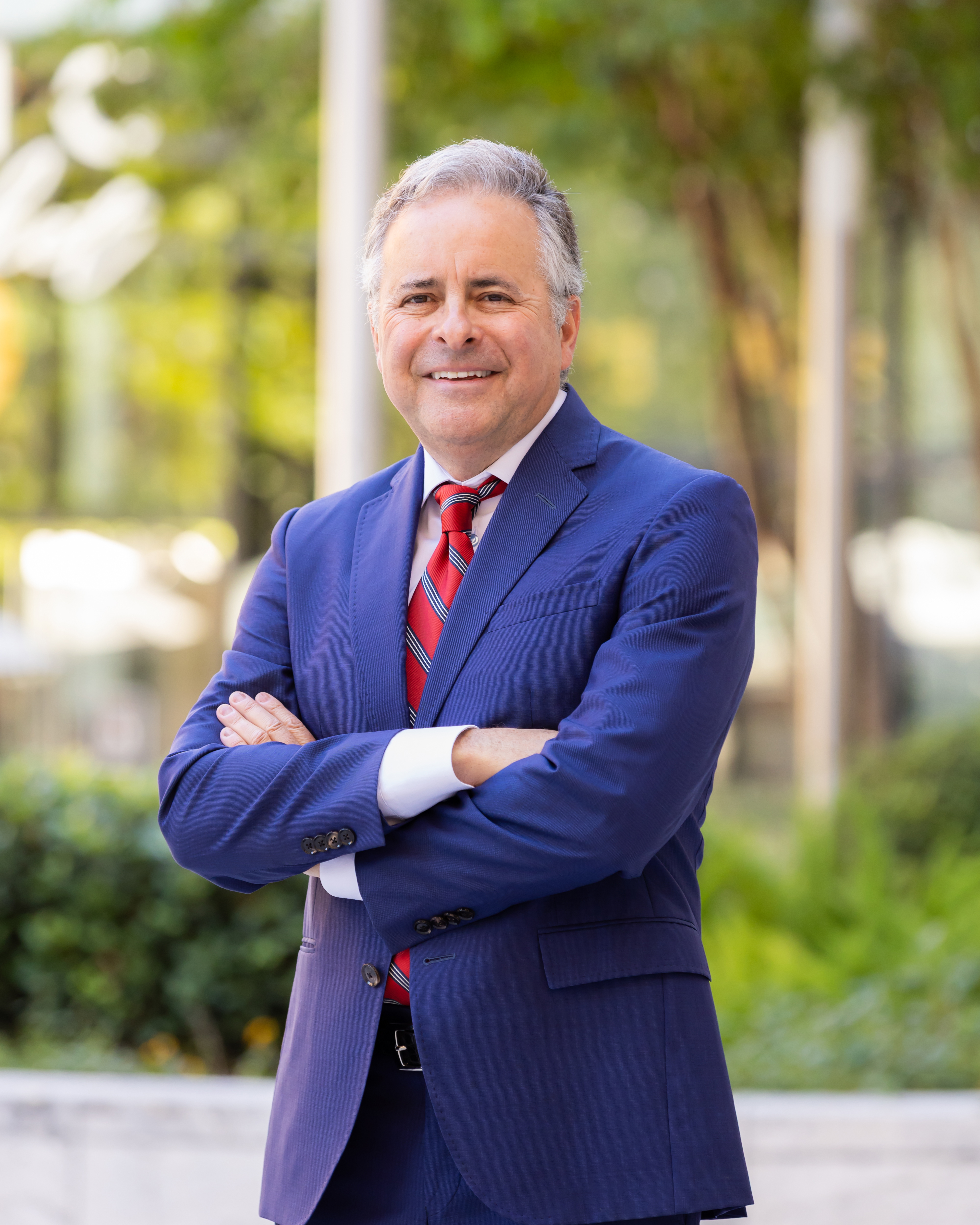
Founding Partner, Danziger & De Llano
30+ years of mesothelioma litigation. Former CPA bringing financial expertise to asbestos trust fund claims.
Related Resources
Topics
Were You or a Loved One Exposed to Asbestos?
The history in this episode isn't just history. If you worked with asbestos products, lived in a home built with asbestos materials, or were exposed through a family member's work clothes, you may have legal options. Danziger & De Llano has spent 30+ years and recovered nearly $2 billion for asbestos victims.